

Can You Drive Trucks With a DUI


Understanding DUI rules for CDL drivers
A DUI conviction doesn’t just affect your personal driving record; for commercial drivers in Washington, DC, it can cost you your commercial driver’s license (CDL) and your livelihood. Federal rules for CDL holders are stricter than those that apply to regular drivers, and the consequences can follow you even if the DUI happened in your personal vehicle. Understanding what’s at stake is the first step toward protecting your career.
What Happens to Your CDL After a DUI in DC?
A DUI conviction triggers a mandatory CDL disqualification under federal law, regardless of whether you were driving a commercial vehicle or your personal car at the time.
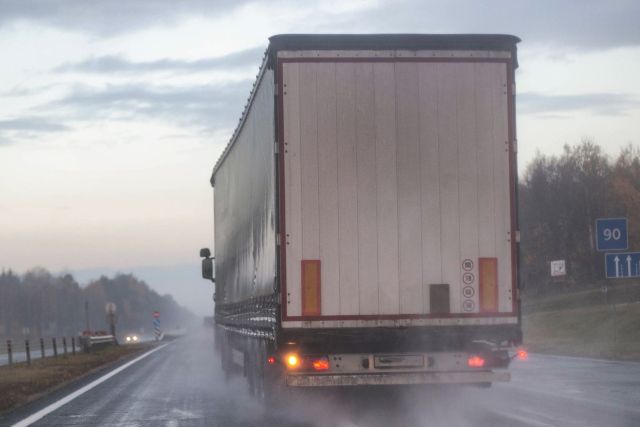
The Federal Motor Carrier Safety Administration (FMCSA) sets the standards that govern CDL holders nationwide. Under those rules, a first DUI offense results in a one-year CDL disqualification. If you were transporting hazardous materials at the time of the offense, that period extends to three years.
A second DUI conviction brings a lifetime ban from commercial driving, though in limited circumstances that ban may be reviewed after ten years if you complete an approved alcohol or drug rehabilitation program and maintain a clean driving record.
CDL holders in DC are also held to a lower legal limit than regular drivers. The standard blood alcohol content (BAC) limit in DC is 0.08%. For commercial drivers operating a commercial vehicle, that limit drops to 0.04%. You can lose your CDL even if your BAC is below the standard limit.
Refusing a chemical test carries the same consequences as a failed one. Under FMCSA rules, a refusal triggers the same one-year CDL disqualification as a conviction. The out-of-service rule also applies separately: any driver found with a BAC of 0.04% or higher must be placed out of service for 24 hours, independent of any criminal charges.
It’s also worth knowing that the DC DMV operates independently from the criminal court. A conviction isn’t always required for your CDL to be affected. The DMV uses a lower standard of evidence, which means your license can be suspended even if your criminal case is dismissed.
How CDL Disqualifications Work Under Federal Law
Federal rules set specific disqualification periods based on the nature and number of DUI offenses. The sections below break down each scenario CDL holders in DC may face.
First DUI Offense
A first DUI conviction results in a one-year CDL disqualification. That period jumps to three years if you were hauling hazardous materials at the time of the offense. During disqualification, you can’t drive any commercial motor vehicle, even if your regular driver’s license remains valid.
Second DUI Offense
A second DUI conviction under federal rules means a lifetime CDL disqualification. In DC, that ban may be commuted after ten years if you successfully complete an alcohol or drug rehabilitation program and demonstrate a clean driving history outside of commercial driving during that period. A third offense carries a permanent lifetime ban with no possibility of review.
Off-Duty DUIs Still Count
Many drivers assume that a DUI in a personal vehicle won’t affect their CDL. That assumption is incorrect. Federal rules don’t distinguish between commercial and personal vehicles when it comes to DUI disqualifications. If you’re convicted of a DUI in your own car, your CDL is still subject to the same penalties.
When a DUI Complicates Your CDL Further
Beyond the standard disqualification rules, certain circumstances can make the situation more complicated. Knowing about them early gives you a better chance to respond effectively.
Drug-Related DUI Charges
A DUI doesn’t have to involve alcohol to trigger a CDL disqualification. A marijuana DUI charge in DC carries the same consequences as an alcohol-related offense under federal rules. The substance doesn’t change the outcome; the conviction does.
Deferred Sentencing and CDL Holders
In DC, some first-time DUI offenders may qualify for a deferred sentencing agreement, which allows the charges to be dismissed after completing alcohol education, community service, or other conditions. CDL holders, however, are barred from these arrangements under federal guidelines. Local prosecutors can’t offer CDL holders the same favorable resolutions available to regular drivers, which means the stakes in court are higher from the start.
The FMCSA Drug and Alcohol Clearinghouse
The FMCSA’s Drug and Alcohol Clearinghouse is a federal database that logs DUI violations and other drug and alcohol infractions for CDL holders. Employers are required to check this database before hiring a commercial driver and can access it during employment. A DUI on your Clearinghouse record is visible to any prospective employer in the trucking industry.
What to Expect After a DUI Charge as a CDL Holder in DC
A DUI charge sets off a series of legal and administrative proceedings. Here’s how the process typically unfolds for CDL holders in Washington, DC.
-
Arrest and chemical test: At a DUI stop, you’ll be asked to submit to a breath or blood test. For CDL holders in DC, the limit when driving commercially is 0.04% BAC. Refusing the test triggers the same CDL disqualification as a positive result.
-
CDL disqualification: Following a conviction, the FMCSA disqualification takes effect. A first offense means one year; three years if hazmat was involved. A second offense means a lifetime ban.
-
Criminal court proceedings: Your DUI charge goes through the DC criminal court system. This process can take several months and may result in fines, probation, or jail time, depending on the facts of your case.
- DC DMV hearing: The DMV hearing runs separately from your criminal case. There’s a short window to request one after your arrest. Missing that deadline can result in automatic license suspension.
-
Employer notification: Your DUI violation is logged in the FMCSA Clearinghouse. Your current employer will be notified, and future employers will see it when they run a check.
-
Return-to-duty process: To drive commercially again after disqualification, you’ll need to complete a substance abuse evaluation and pass a return-to-duty drug test. Follow-up testing may continue for up to five years.
When Should a Truck Driver Speak With a DUI Attorney?
A DUI charge can affect your CDL, your ability to keep working, and your future in the trucking industry. Because commercial drivers face stricter federal and DC rules, even a first offense or a chemical test refusal can lead to serious license consequences.
Speaking with an attorney early may help you better understand the DMV process, federal CDL disqualification rules, and what steps may help protect your commercial driving privileges.
At Scrofano Law PC, we help drivers in Washington, DC, understand DUI-related CDL issues and the legal process connected to commercial driving cases. If you have questions about your CDL status, your DUI charge, or what comes next, speaking with a lawyer may help you understand your options more clearly.
Frequently Asked Questions
Can a DUI from another state affect my CDL in DC?
Does a DUI expungement restore my CDL driving rights?
Can I still drive a personal vehicle while my CDL is disqualified?
Is refusing a breath test treated the same as a DUI for CDL purposes?
Can I get a new CDL after my disqualification period ends?
202-630-0926

Contact a Dedicated Washington DC DUI Lawyer
If you or somebody you know has been charged with a DUI in DC, contact Jason Kalafat of Scrofano Law at 202-630-0949 today to start developing an effective defense.