

DC BUI Lawyer
Need a DC BUI lawyer? Trust Scrofano Law PC – DC DUI Lawyer to challenge the charges, safeguard your future, and deliver BUI defense in Washington, DC today.


What Can a DC BUI Attorney Do for You?
If you were stopped on the water and charged with Boating Under the Influence (BUI) in Washington, DC, you may be searching for answers about what comes next. These charges can feel overwhelming because the laws treat BUI very much like DUI cases on the road, meaning the consequences are severe. A conviction can lead to steep fines, jail time, suspension of boating privileges, and a permanent criminal record.
Under DC law, operating a vessel with a blood alcohol concentration (BAC) of 0.08% or higher is prohibited, and the rules are even stricter for minors due to the city’s zero-tolerance policy. Agencies like the Harbor Patrol carry out enforcement, and the unique conditions of waterway stops often complicate how evidence, such as field sobriety tests, is gathered and interpreted.
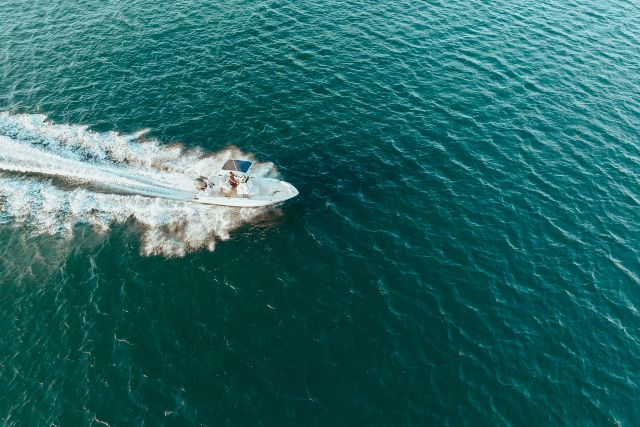
This is why having the right lawyer matters. A DC BUI lawyer understands the local DUI statutes, the nuances of maritime law enforcement, and the practical issues involved in building a strong defense.
At Scrofano Law PC – DC DUI Lawyer, we know how to challenge evidence, question the procedures used during your stop, and pursue a favorable outcome in your case. If you face BUI charges, we are ready to provide the guidance and defense you need to protect your record, rights, and future.
What Is BUI in DC?
BUI laws are designed to keep waterways safe and apply many of the same standards used for driving under the influence (DUI). If you operate any motorized vessel while impaired by alcohol or drugs, you can be charged with BUI.
BAC Testing and Limits
Here is what you need to know about BUI limits in DC:
- In Washington, DC, the statute DC Code § 50-2206.31 prohibits anyone from operating or being in physical control of a watercraft while intoxicated or under the influence of alcohol, drugs, or a combination of them.
- DC also has a zero-tolerance limit for minors; operators under 21 are prohibited from having any measurable alcohol in their system while operating a boat.
- BUI charges don’t just apply to alcohol use. If you are impaired by illegal drugs, prescription medication, or other substances, you may still face criminal penalties, even with a BAC under 0.08%.
Who Enforces DC BUI Laws?
Enforcement of BUI laws in DC can involve multiple agencies:
- Harbor Patrol / Marine units of the Metropolitan Police Department (MPD) monitor DC waterways and enforce anti-intoxication boating regulations. For example, the MPD’s Harbor and Boating Safety rules explicitly state that a person may not “operate or use any vessel … while under the influence of alcohol.”
- Federal agencies like the U.S. Coast Guard also have authority over navigable waterways, particularly when federal jurisdiction or interstate waters are involved. The Coast Guard’s national BUI standards and federal boating laws can apply alongside local DC law.
- Local marine or regulatory bodies may assist in enforcement via inspections, vessel stops, and sharing evidence with MPD or prosecutors.
Because BUI intersects with maritime and criminal law, disputes over who had jurisdiction, whether the stop or boarding was lawful, and the chain of custody of evidence are common.
Field Sobriety and Chemical Testing
When a suspect boat operator is stopped on the water, officers may request:
- Field Sobriety Tests (FSTs): As with DUI, officers may ask the operator to perform balance, coordination, or eye-movement tests (e.g., HGN, one-leg stand, walk-and-turn). However, FSTs on a boat or dock are more prone to error due to motion, slippery surfaces, boat movement, wind, and lighting.
- Chemical tests: After arrest, breath, blood, or urine tests may be used to measure BAC or the presence of drugs. These tests carry greater weight in DC courts.
Because water-based stops often happen farther from labs or testing stations, delays and transport can negatively impact sample integrity and human recollection. A defense challenge often focuses on whether the testing was timely, properly handled, and reflected accurate conditions (e.g., proper calibration, chain of custody).
In DC, courts may look to land-based DUI precedent when reviewing BUI test admissibility, though the maritime context adds complexity.
At Scrofano Law PC – DC DUI Lawyer, we can help you navigate and challenge these uncertainties to ensure you get the most favorable results in court.
Types of BUI Charges
Although DC’s statute § 50-2206.31 addresses “operating under the influence … of a watercraft,” depending on the facts, there may be variations or aggravating forms.
Some include:
- Standard BUI: The base charge for operation with intoxication or impairment.
- BUI with prior convictions: Penalties escalate if a person has prior BUI or related offenses (e.g., under § 50-2206.32).
- Aggravated BUI: When additional factors exist, like accidents resulting in serious injury or death, minors on board, or repeat offenders. Although DC’s BUI statute does not explicitly label “aggravated BUI,” sentencing enhancements apply under § 50-2206.32 for repeat offenses.
Penalties Associated With BUI Charges in DC
Penalties associated with BUI charges in DC include the following:
- First Offense: Fine up to $1,000, imprisonment up to 180 days, or both.
- Second Offense (prior BUI or related DUI): Fine from $2,500 to $5,000, up to 1 year in jail, or both.
- Third or Subsequent Offenses: Fine between $2,500 and $10,000, or up to 1 year imprisonment (or both), as the baseline statutory cap.
Because the statute caps jail time at 1 year, even for repeat offenses, repeated BUI convictions often carry maximum fines, enhanced sanctions, or additional conditions rather than dramatically more extended imprisonment.
Moreover, DC’s law allows combining BUI offenses with § 50-2206.33, which covers operating “while impaired” (less severe than intoxicated), so the nature of the offense and the prosecution’s charging decision may affect the penalty range.
Other practical penalties and consequences may include:
- Loss or restriction of boating privileges (though DC does not have a separate “boating license” statute, courts may impose restrictions).
- Impact on insurance, civil liability in accidents, and a permanent criminal record.
- Increased exposure in sentencing when combined with other offenses (e.g., a DUI).
How the BUI Legal Process Works in DC
When you face a BUI charge, understanding the process helps you stay in control.
Here’s how most BUI investigations and legal actions unfold in the District:
- Initial Boat Stop: Water patrol can stop your vessel for standard inspections or if they see erratic operation.
- Assessment & Questioning: Officers look for signs of impairment, such as unsteady movement, slurred speech, or visible alcohol.
- Field Sobriety Testing: You may be asked to perform complicated tasks on a rocking boat. Many factors beyond alcohol can undermine these tests, which is why they are often challenged in court.
- Chemical/Breath Testing: You may be asked for a breath, blood, or urine sample.
- Arrest & Booking: If evidence of impairment is found, you’ll be taken into custody for booking and processing.
After your arrest, your case continues through the DC court system. The process involves:
- Arraignment: Charges are formally presented, and you can enter a plea.
- Pre-trial proceedings: These include discovery and motion hearings where we challenge improper evidence and police conduct.
- Plea negotiations or trial: Some cases resolve through negotiation; others go to trial, where prosecutors must prove their case beyond a reasonable doubt.
If convicted, serious consequences are at stake, including a permanent criminal record, suspension of boating privileges, hefty fines, possible jail time, and even effects on your regular driver’s license. Consulting with a credible DC BUI attorney from Scrofano Law PC – DC DUI Lawyer would help expedite the legal complexities surrounding this process.
How an Experienced BUI Lawyer Can Help
Facing a BUI charge is stressful, and the stakes are high. At Scrofano Law PC – DC DUI Lawyer, our commitment is clear: we stand with you from the moment of arrest until the final outcome, providing focused, strategic counsel throughout your case.
Here’s what sets our defense apart:
- Thorough Case Evaluation: We analyze every detail, including police reports, chemical testing methods, and witness statements, to spot weaknesses and build leverage in your defense.
- Challenging Test Evidence: Our firm questions the accuracy of all testing, frequently working with forensic experts to identify issues that can result in evidence being thrown out or diminished.
- Uncovering Officer Misconduct: If law enforcement skipped crucial steps or violated your rights, we move quickly to hold them accountable.
- Negotiating for Reduced Penalties: We approach every negotiation from a position of strength, using our track record and preparation as leverage for reduced charges, minimal sentencing, or alternative programs.
- Representing You in Court: If the case proceeds to trial, we present compelling arguments, cross-examine officers, and present evidence with precision.
- Expungement and Record Sealing: We can explore whether you are eligible for DC expungement and record sealing after a BUI case. This could be especially helpful in returning your personal and professional life to normal.

Contact Scrofano Law PC – DC DUI Lawyer
A BUI arrest in Washington, DC, puts more than your boating privileges at risk. It threatens your future, finances, and freedom. Timing matters. Every hour you wait is a lost opportunity to preserve evidence and begin protecting your rights.
BUI charges are prosecuted seriously. The risk of jail, significant fines, and a permanent record is real. The sooner you involve our team, the more options we have to defend you. Federal safety programs highlight a growing focus on boating law enforcement, making knowledgeable legal counsel more critical than ever.
At Scrofano Law PC – DC DUI Lawyer, we handle every aspect of BUI defense for our clients, including:
- Immediate case analysis to spot potential police errors and build defenses early
- Challenging unreliable field sobriety or chemical evidence
- Aggressively questioning the legality of any stops and searches
- Building a strategy grounded in years of direct experience handling alcohol-related cases in DC courts
- Negotiating tough with prosecutors for favorable outcomes
Your freedom on the water is worth protecting. Schedule a confidential consultation today with us and let us fight for your future.
FAQs About BUI Charges in Washington, DC
Can a BUI conviction be expunged or sealed in Washington, DC?
While some criminal records in DC can be sealed or expunged, the eligibility to remove a BUI conviction depends on the charge outcome and specific circumstances. Certain dismissals or deferred dispositions can be eligible for sealing, but convictions are more difficult to expunge.
Are open container laws on boats the same as on land in DC?
No. While it’s generally legal to have alcohol on your vessel in DC, law enforcement can still use consumption or open containers as evidence if they observe signs of impairment. The presence of open containers may trigger further investigation or field sobriety testing and can complicate your defense if you are arrested for BUI.
What happens if an accident or injury is related to a BUI charge?
The prosecution and penalties become much more severe when a BUI incident involves an accident, property damage, or personal injury. Aggravating factors like injury, minors aboard, or a history of prior offenses can increase potential jail time and fines.
Can you have alcohol on a boat in DC?
Yes. Passengers are generally allowed to have alcohol on boats in Washington, DC. However, the operator cannot be impaired, and open containers may draw extra scrutiny from law enforcement. If signs of intoxication are observed, officers can conduct further testing.
Can out-of-state boaters be charged with BUI in DC?
Yes. Anyone operating a vessel in DC waters must follow local boating and alcohol laws, regardless of where they live. Out-of-state boaters are subject to the same penalties as DC residents. Convictions may also affect their record back home.
202-630-0926

Contact a Dedicated Washington DC DUI Lawyer
If you or somebody you know has been charged with a DUI in DC, contact Jason Kalafat of Scrofano Law at 202-630-0949 today to start developing an effective defense.