

Challenging Field Sobriety Tests in DC

What You Need to Know About Field Sobriety Tests in DC
When you’re stopped on suspicion of drunk driving in Washington, DC, field sobriety tests are frequently the first hurdle you face. These standardized tests give officers a framework for making DUI arrests, but the outcome of your test is never a foregone conclusion. Many factors can influence what happens next, so knowing your rights and how the process works is critical if you want to protect your future.
Field sobriety tests in DC include three main assessments: the walk-and-turn, the one-leg stand, and the horizontal gaze nystagmus tests. These evaluations gauge coordination, attention, and the ability to follow instructions. Each test was created to provide law enforcement with probable cause for a DUI, but even sober people may struggle due to nerves, health, or environmental issues.
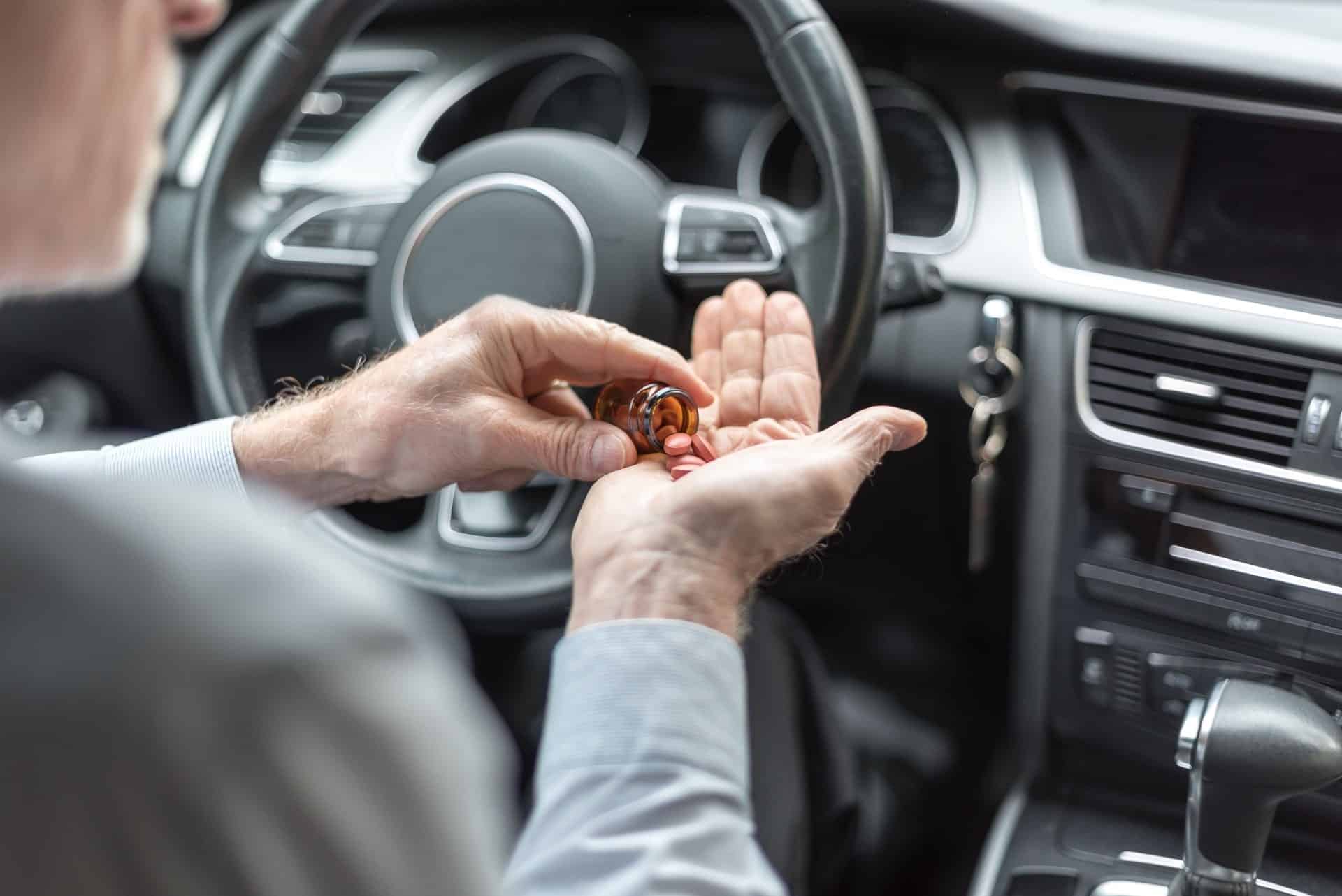
Field officers administer these tests in DC following specific protocols from the National Highway Traffic Safety Administration (NHTSA), but mistakes in administration are common, and they can have significant consequences for your case. Understanding this process is crucial if you hope to challenge the results.
DC DUI laws are unforgiving, but at Scrofano Law PC – DC DUI Lawyer, we know every strategy for contesting questionable field sobriety test outcomes and fighting for your future. This article explains the mistakes that can happen during a field sobriety test in DC and the legal grounds to challenge these tests. It also touches on strategies a DC DUI lawyer can use when challenging field sobriety tests in DC.
What Are Field Sobriety Tests in DC?
Field sobriety tests (often called FSTs or standardized field sobriety tests, SFSTs) are physical and cognitive exercises law enforcement uses during traffic stops in Washington, DC, to assess whether a driver may be impaired. They are not used to measure blood alcohol content directly, but rather to provide observations that, combined with other evidence, help establish probable cause for arrest.
The three primary standardized tests endorsed by the National Highway Traffic Safety Administration that are used in DC include:
- Horizontal Gaze Nystagmus (HGN): The driver follows a moving object (e.g., a pen or light) with their eyes while the officer observes involuntary eye movement (nystagmus).
- Walk-and-Turn (WAT): The driver must walk in a straight line heel-to-toe for nine steps, turn on one foot, then return while following the same pattern.
- One-Leg Stand (OLS): The driver raises one leg (about six inches) and maintains balance while counting aloud.
These tests must be administered in a standardized, consistent manner to have legal value. Courts in DC closely examine whether the officer followed the proper instructions, conditions, timing, and scoring methods.
It’s important to understand that:
- You are not legally obligated to complete field sobriety tests in DC, and refusal does not carry criminal penalties.
- These tests are highly subjective. Performance can be affected by balance, health issues, footwear, road surface, lighting, stress, or instruction clarity, not necessarily intoxication.
Why Challenge Field Sobriety Tests in DC?
Challenging field sobriety tests is often a critical line of defense in DUI cases in DC That’s because FSTs can be prone to error or misinterpretation, and they are rarely conclusive proof of impairment by themselves.
Here’s why it’s important to scrutinize them:
- Subjectivity and Bias: Officers must interpret subtle signs (e.g., swaying, stepping off line), leaving room for human error or bias. Even when officers are trained, their assessment of your performance is subjective. Bias or simple human error can lead to unfair accusations. The same test could also yield a different result with another officer. This is often used as a strong point of challenge in court.
- To Ensure Officers Followed Protocol: The NHTSA protocol must be followed precisely. Deviating from standardized timing, instructions, or scoring rules can undermine the test’s reliability.
- Environmental & Physical Factors: Conditions like rain, uneven ground, poor lighting, loud noises, heavy traffic, wind, or footgear can degrade performance. Physical issues like inner-ear problems, injuries, neurological conditions, or age can also affect results. Officers often overlook these crucial facts, stacking the odds against you.
- Inadequate Officer Training: If the law enforcement officer administering the test was not properly trained or certified, or their training had lapsed, their results may be challenged.
- Stress and Nerves: Anyone confronted by law enforcement under suspicious circumstances will feel stress. This anxiety can cause trembling, confusion, and mistakes, even when you’re stone-cold sober.
- Constitutional Concerns: If the initial traffic stop lacked reasonable suspicion or probable cause, or if the driver was coerced into performing the test, then the evidence from that test may be suppressed.
- Voluntariness & Refusal Rights: Since field sobriety tests are voluntary in DC, the fact that a driver refused does not carry statutory penalties. However, prosecutors may argue that refusal itself suggests consciousness of guilt.
- Officer Errors: Officers might commit errors while administering field tests, including rushed tests, vague instructions, missing or miscounting clues under the NHTSA protocols, test durations or pacing deviating from protocol, or entirely missing protocols.
- Lack of documentation or video evidence: When officers do not record or document test conditions, it becomes harder to verify their methods and the credibility of the FSTs.
Successfully challenging FSTs can reduce the weight of that evidence, suppress test results, or even dismiss charges when the police lack sufficient proof.
Legal Consequences & Considerations
As mentioned, you can legally refuse to take field sobriety tests, leading an officer to rely on other indicators to observe. Additionally, law enforcement may interpret a refusal as suspicious behavior, which, combined with other observed factors, can still lead to a DUI arrest. While refusal cannot by itself convict a person of DUI, it can play a role in establishing probable cause for further testing or detention.
Chemical Tests & Implied Consent in DC
While FSTs are voluntary, chemical testing (breath, blood, or urine) is governed by implied consent laws in the District. Under DC Code § 50-1905, refusing a required chemical test can carry administrative penalties:

- Revocation of driving privileges for 12 months.
- Mandatory enrollment in the DC Ignition Interlock Program for licensed drivers.
- The refusal may be used as evidence in criminal or civil proceedings.
If you refuse a chemical test, the prosecution may present your refusal as evidence of guilt under a rebuttable presumption in certain repeat-offender cases.
Impact on DUI Charges and Evidence
The results of FSTs, whether the driver passes, fails, or refuses, can significantly affect how DUI cases unfold:
- If taken and failed: The prosecution may use the officer’s observations and notes as evidence of impairment. However, these results are often challenged for reliability.
- If refused: While refusal cannot be punished directly, it may raise suspicions and give officers grounds for arrest based on other observations.
- Combined with chemical test results: Courts tend to weigh chemical evidence more heavily, but FST performance can still influence jury perception.
Consequences for Conviction
If FSTs contribute to a DUI arrest and subsequent conviction under DC Code § 50–2201.05(b), the penalties may include:
- First Offense:
- Up to 180 days in jail.
- Fines up to $1,000.
- Driver’s license suspension (6 months or more).
- Subsequent Offenses:
- Up to 1 year in jail.
- Higher fines ($2,500–$10,000, depending on prior convictions).
- Longer license suspensions.
The use of FSTs in these cases is often disputed in court, mainly when probable cause for the arrest rests heavily on subjective officer evaluations.
Broader Consequences Beyond Court
In addition to statutory penalties, refusing or failing an FST in DC can create collateral consequences, including:
- Insurance: Increased premiums or policy cancellation.
- Employment: Certain jobs requiring driving or security clearance may be impacted.
- Professional Licensing: Some licensing boards review DUI-related arrests, regardless of conviction.
- Immigration Status: For non-citizens, DUI-related arrests can complicate visa renewals, residency applications, or naturalization.
Defense Strategies a DC DUI Lawyer Can Use
FSTs in Washington, DC, are often central evidence in DUI cases, but they are far from infallible. Because they rely on officer judgment and physical performance under stress, they present multiple opportunities for legal defense. A strong strategy often exposes weaknesses in how the tests were conducted, interpreted, or admitted into evidence.
Some things a DC DUI lawyer could use when challenging field sobriety tests in DC include:
- Scrutinizing Officer Credibility: One strategy is to review officer training, performance records, and their history of DUI arrests, all to question their judgment and the conditions at the time of arrest.
- Expert Testimony on Unreliability: Your legal counsel can work with medical and scientific experts to expose the high error rates and flaws in field sobriety tests and demonstrate how medical conditions or anxiety, not alcohol, may have explained the results.
- Leveraging Dashcam and Bodycam Footage: Video evidence often contradicts police reports. Analyzing every second of footage can identify inconsistencies, missed steps, or instances where officers failed to demonstrate the tests properly.
- Identifying Contradictions in Police Reports: Many cases are won by highlighting gaps, omitted details, or outright contradictions between the written record and actual events.
Other defense toolbox includes:
- Filing motions to suppress invalid test evidence
- Challenging the legality of the original traffic stop
- Cross-examining officers about their training and the specific conditions of your test
- Bringing in forensic and toxicology experts to explain how law, medicine, and science intersect
How a DC DUI Lawyer Can Help
While field sobriety tests may seem straightforward, they are complex in practice, and a DUI defense requires navigating both DC Code provisions and courtroom strategy.
Here are key ways an experienced DUI attorney can assist:
- Case Evaluation: Reviewing the stop, officer conduct, FST procedures, and chemical test results to assess the strength of the government’s case.
- Evidence Challenges: Filing motions to suppress evidence based on improper administration, lack of probable cause, or constitutional violations.
- Expert Testimony: Presenting medical, forensic, or toxicology experts to explain why test results may be unreliable.
- Negotiations: Using weaknesses in FST evidence to negotiate reduced charges, entry into diversion programs, or alternatives to conviction.
- Trial Advocacy: Cross-examining officers, scrutinizing police reports, and using video evidence to cast doubt on the prosecution’s case.
- Protecting Collateral Interests: Advising on license suspensions, professional licensing concerns, or immigration-related consequences of a DUI arrest.

A Scrofano Law PC – DC DUI Lawyer can help you throughout the process to ensure your rights are defended when challenging field sobriety tests in DC.
Take the Next Step With Scrofano Law PC – DC DUI Lawyer
Challenging field sobriety tests can be the turning point in your DUI defense. At Scrofano Law PC – DC DUI Lawyer, we understand the weaknesses in these roadside assessments, including their subjectivity, the procedural shortcuts, and the environmental variables that too often result in unfair outcomes. Our in-depth approach is second to none: we investigate every factor, confront every witness, and leave no detail unchecked from the initial stop through every stage of the case.
Every minute matters when you’re facing DUI charges in Washington, DC. The system is swift and unforgiving, putting your license, career, and freedom on the line. You need a team that acts fast, knows every loophole in DC’s DUI laws, and can forcefully contest unreliable evidence.
At Scrofano Law PC – DC DUI Lawyer, we help people defeat or reduce charges by exposing flaws in field sobriety tests and relentlessly pursuing the best result for every client.
Don’t let one roadside mistake dictate your future. Contact us now for a confidential consultation and let us help you in challenging field sobriety tests in DC. We’ll review every aspect of your case, map out your defense, and move quickly to protect your rights.
FAQs About Challenging Field Sobriety Tests in DC
Can nervousness alone cause someone to fail a field sobriety test?
Do officers always record field sobriety tests?
What happens if the officer administering the test was not adequately trained?
Are field sobriety tests more important than chemical tests in DUI cases?
No. Courts view chemical test results (breath, blood, urine) as more substantial evidence of impairment. However, FSTs can still influence probable cause and jury perception.
Can physical conditions affect performance on sobriety tests?
Yes. Conditions like injuries, neurological issues, age, or even footwear can negatively impact balance and coordination, regardless of alcohol consumption.

202-630-0926

Contact a Dedicated Washington DC DUI Lawyer
If you or somebody you know has been charged with a DUI in DC, contact Jason Kalafat of Scrofano Law at 202-630-0949 today to start developing an effective defense.