

Understanding the Role of Forensic Toxicologists in DC DUI Cases


Did you know that forensic toxicologists play a crucial role in DUI cases in Washington, DC? According to the DC’s Office of the Chief Medical Examiner, their forensic toxicology department provides testing for “approximately 1,700 cases per year.” Their knowledge is vital in analyzing substances in the body to determine impairment levels, as detailed by the National Institute of Standards and Technology.
In Washington, DC, driving under the influence (DUI) can have serious consequences, like fines, license suspension, and even jail time, as noted in the Code of the District of Columbia, § 25–1002. These cases rely heavily on accurate blood alcohol content (BAC) analysis and other toxicology reports to establish whether a driver was impaired. Forensic professionals use advanced methods to detect and quantify alcohol and drugs in biological samples, influencing prosecution and defense strategies.
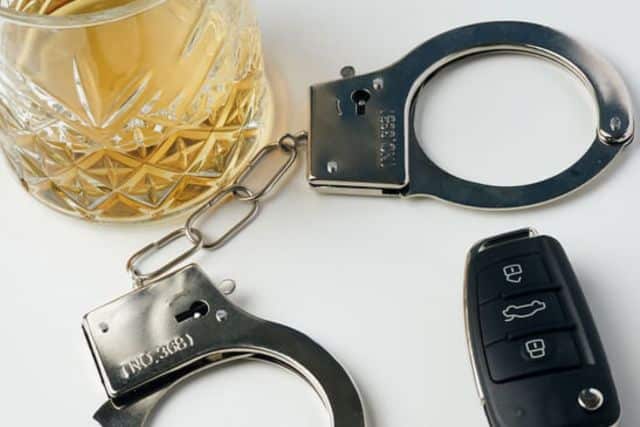
At Scrofano Law PC, we understand the intricacies of DUI laws and the importance of strong forensic evidence. Our team has a deep understanding of how forensic toxicology impacts DUI cases and is dedicated to providing a robust defense for our clients. With the right legal representation, the complexities of forensic evidence in DUI cases become a powerful tool to ensure a fair outcome.
Contact us today for a consultation if you have questions or need help with your case. We’re happy to clarify any doubts and move forward.
What Is Forensic Toxicology
According to the National Institute of Justice (NIJ), forensic toxicology is “the analysis of biological samples for the presence of toxins, including drugs. The toxicology report can provide key information as to the type of substances present in an individual and if the amount of those substances is consistent with a therapeutic dosage or is above a harmful level.”
Forensic toxicology combines principles of toxicology with analytical chemistry and pharmacology to assist in medical and legal investigations.
In DUI cases, forensic toxicologists analyze blood, urine, and other body fluids to determine the presence of substances like alcohol, illicit drugs, and prescription medications. These analyses are crucial in understanding the levels of substances and assessing their impact on an individual’s ability to drive.
The accuracy of a toxicology report can significantly influence the legal outcomes of DUI cases, as reported by the NIJ. Reliable results help determine whether the detected substance levels are consistent with safe usage or are potentially impairing and harmful.
The Office of the Chief Medical Examiner in Washington, DC, houses the OCME Forensic Toxicology Department. This department plays a vital role by providing postmortem toxicological analyses that aid in determining causes of death, which can be critical in both criminal and civil cases.
Forensic toxicologists should be precise and meticulous to ensure their findings are valid and can withstand legal scrutiny. Accurate toxicology reports are essential for fair and just proceedings, influencing charges, defenses, and overall trial outcomes in DUI cases.
Collection and Analysis of Evidence
The collection of evidence is crucial when dealing with DUI cases in DC. Standard procedures ought to be followed to properly collect blood and urine samples, ensuring the integrity and reliability of the evidence. Samples are usually taken using sterile equipment and stored in secure, tamper-evident containers, as stated by the NIJ.
Moreover, following proper protocols is important to avoid contamination or degradation of the samples. This helps maintain the accuracy of the results, which is vital in DUI cases.
Additionally, samples should be carefully labeled and documented to ensure a clear chain of custody.
Evidence Collection Procedures:
-
Blood Samples: Collected using a clean syringe; transferred to vials with preservatives.
-
Urine Samples: Taken with sterile containers and stored at controlled temperatures.
The Drugs and Impairment Division of the National Safety Council emphasizes that toxicologists follow strict guidelines to ensure sample integrity. A report they published on recommendations for toxicological investigation provides more information.
Analysis Techniques:
Forensic toxicologists use advanced analytical methods to detect substances in the samples. Techniques like gas chromatography and mass spectrometry are commonly employed; more information is available in the following study shared by the National Library of Medicine. These methods are precise and can identify the presence and concentration of drugs or alcohol. These techniques are crucial because they provide reliable data on the substances involved.
In some cases, lab results can be contested. Our blog has more information in a piece titled “DC DUI Lab Results May Be Questioned.”
The Role of Forensic Toxicologists as Expert Witnesses
Forensic toxicologists play a crucial role in DUI cases. They provide detailed analysis of biological samples to detect the presence of drugs and alcohol. Their findings can be pivotal in court, offering scientific insights that can greatly influence the outcome of a case.
Their testimony can effectively challenge prosecution evidence. The prosecution often relies on toxicology reports. A forensic toxicologist can clarify these reports, highlighting any discrepancies or issues with the collection process, which can be crucial for defense strategies.
However, having an experienced DUI defense attorney cross-examine the forensic toxicologist is essential. These attorneys understand the technical jargon and can effectively question the methods and conclusions presented. Also, this could weaken the prosecution’s case and strengthen the client’s defense.

In DC, a DUI expert witness can provide valuable insights into forensic toxicology. Their knowledge can significantly impact court proceedings, ensuring the evidence is thoroughly examined and accurately interpreted.
Challenges and Limitations in Toxicology Testing
Potential Errors in Testing
In toxicology testing, it’s common to encounter issues during sample collection and analysis. For example, contamination can occur if samples are not handled properly, leading to the possibility of false positives, as noted by the American Psychiatric Association. These errors can impact the accuracy of test results. A false positive might implicate an innocent person, while false negatives might let a guilty person go free.
So, expert cross-examination in court is crucial. Experts help clarify these issues, ensuring that the evidence is understood accurately by the jury.
Limitations of Toxicology Reports
Toxicology reports have inherent limitations when determining impairment. Metabolism varies greatly among individuals. This means that two people with the same substance level might not be equally impaired.
So, forensic toxicologists play an essential role in explaining these nuances to the court. By understanding these challenges, we can better prepare ourselves for the complexities that arise in DUI cases involving toxicology testing.
How Scrofano Law PC Can Help
Forensic evidence can heavily impact the outcome of DUI cases. It’s crucial to have professional legal representation to challenge or reinforce this evidence effectively. An experienced criminal defense lawyer knows how to scrutinize forensic toxicology reports and question the procedures for collecting and handling samples.
At Scrofano Law PC, we employ specific strategies to challenge forensic evidence. We can often find weaknesses in the prosecution’s case by questioning the validity of toxicology reports and the methods used. Additionally, we have significant experience handling DUI cases in Washington, DC. Our team of attorneys knows the ins and outs of DUI laws and is dedicated to defending our clients aggressively.
Comprehensive Legal Support is one of our strengths. From the initial consultation to the resolution of your case, we provide thorough legal assistance. Having a dedicated DC DUI lawyer can make a significant difference for anyone facing DUI charges in DC.
With over 20 years of experience, our team at Scrofano Law PC is well-versed in handling various DUI cases involving complex forensic evidence.
If you’ve been charged with a DUI in Washington, DC, don’t hesitate to seek professional help.
Contact our dedicated team for an initial consultation to discuss your case and explore your options. Contact the DC DUI attorneys at Scrofano Law PC immediately.
202-630-0926

Contact a Dedicated Washington DC DUI Lawyer
If you or somebody you know has been charged with a DUI in DC, contact Jason Kalafat of Scrofano Law at 202-630-0949 today to start developing an effective defense.