

The Relationship Between Sleep Deprivation and DUI Charges


Can the lack of sleep lead to poor driving, just like alcohol? It’s a question worth pondering, especially when one in eight drivers admits to falling asleep at the wheel.
Disturbingly, according to the National Institute for Occupational Safety and Health (NIOSH), being awake for 24 hours impairs driving as much as having a blood alcohol concentration (BAC) of 0.10%. Imagine the risks when our busy lives compromise our rest, impacting our health and our safety on the road.
Sleep deprivation affects our ability to make quick decisions and control impulses, much like alcohol does. This puts us at risk of accidents, endangering ourselves and others. According to studies, lack of sleep can lead to memory loss and even higher accident rates, making it a hidden danger that rivals drunk driving.
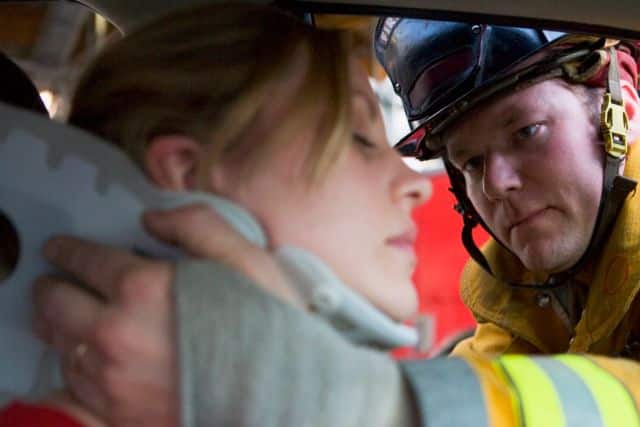
At Scrofano Law, PC, we have extensive experience in handling DUI cases. Our skilled lawyers understand the complexities of such cases and are dedicated to navigating their unique challenges. As we explore the correlation between lack of sleep and impaired driving, we invite readers to delve into the intricacies of how something as simple as missing a few hours of sleep can have severe legal consequences.
If you have been charged with DUI as a result of sleep deprivation, contact us for a consultation. We’re prepared to help you face these charges.
Understanding Sleep Deprivation
Sleep deprivation occurs when individuals don’t get enough sleep. It’s a severe condition that affects people’s physical and mental health. Causes include stress and anxiety, medical conditions, and work or school demands. Additionally, as noted by the Sleep Foundation, symptoms of sleep deprivation include fatigue, concentration issues, mood changes, and an increased risk of illnesses.
Prevalence of Sleep Deprivation and Impact on the General Population
Research shows that “about 20% of US adults sleep fewer than five hours each night.” This impacts not just individuals but also public health due to the increased risk of accidents and chronic diseases. It’s common for people with busy lives or stressful jobs to suffer from lack of sleep. Sleep deprivation can exacerbate other health issues, making it a widespread concern. Understanding the causes and symptoms helps us recognize the importance of addressing this issue promptly.
For more detailed studies and information, refer to the following article on the relationship between sleep deprivation and addiction, as well as a study shared by the National Library of Medicine on disturbed sleep and its link to alcohol use.
The Effects of Sleep Deprivation on Driving
Cognitive Impairment
Sleep deprivation severely affects our reaction time and decision-making skills. It’s startling to note that moderate sleep deprivation can result in cognitive and motor performance impairments equivalent to those observed at legally prescribed levels of alcohol intoxication. This similarity was highlighted in a study on cognitive and motor impairment.
Physical Effects
Physical fatigue from lack of sleep seriously impacts our ability to control a vehicle. Drowsy drivers often struggle with maintaining lane position and speed control and display a slower brake response time. Statistics show that sleepy driving accounts for numerous accidents each year and poses similar risks to drunk driving. In fact, according to the World Health Organization, “Sleepiness while driving contributes to up to 30% of all road traffic accidents globally.”
Legal Implications of Sleep Deprivation in DUI Cases
Driving Under the Influence (DUI) involves operating a vehicle while impaired by alcohol or drugs. However, sleep deprivation can also impair driving abilities. Recent studies show that sleep deprivation affects reaction times and decision-making similarly to alcohol.
As noted above, driving while sleep-deprived can result in accidents, which can carry legal consequences.
Proving Sleep Deprivation in Court
Proving sleep deprivation in a DUI case is challenging. Unlike alcohol, there aren’t any tests that can establish that a driver was sleep-deprived. In turn, attorneys often rely on medical records and witness testimony to establish a lack of sleep. For instance, someone who worked a long shift or has a sleep disorder such as insomnia or sleep apnea may provide this evidence.
Impact of Sleep Deprivation on Driving
As noted above, studies show that sleep-deprived drivers experience slower reaction times and poor vehicle control. It’s important to highlight these impairments when building a DUI defense related to lack of sleep.
Possible Medical Conditions
Certain medical conditions can also affect DUI cases. For instance, conditions like GERD may influence breathalyzer results, as explained in this guide. Understanding these conditions helps lawyers build a strong defense by showing that other factors might have impaired the driver’s performance.
Defending Against DUI Charges Involving Sleep Deprivation
At Scrofano Law, PC, our legal strategy includes gathering detailed evidence of sleep deprivation. Cross-referencing with medical professionals and using credible witness statements can help your case. For example, evidence from someone who interacts with the defendant daily may be crucial in proving chronic sleep issues.
Potential Defenses
In DUI cases where sleep deprivation is a factor, several common defenses can be used. One approach is to present alternative explanations for poor driving, such as extreme fatigue, instead of alcohol impairment. Additionally, challenging the validity of field sobriety tests can be effective, especially if they were administered improperly or if the individual’s lack of sleep influenced the results. Our experience shows that DUI checkpoints can sometimes be ineffective and costly, and understanding these inefficiencies can be crucial in your defense.
We’ll work to show that your actions were a result of fatigue, not intoxication. For example, swerving or slow reaction times can be linked to sleep deprivation. We can argue that evidence of impairment found during the traffic stop can be due to fatigue from a long drive, not alcohol consumption.
Expert Testimony
Expert witnesses play a crucial role in substantiating claims of sleep deprivation. Their qualifications, such as medical degrees or sleep study certifications, add credibility to the defense. Expert testimony can demonstrate how severe fatigue affects driving ability, often on par with alcohol impairment. This testimony can significantly impact the jury’s perception and understanding of the defendant’s state during the incident.
Legal Precedents
There have been cases where sleep deprivation played a crucial role in DUI defenses. For instance, in one notable case about a doctor in Massachusetts, the defense argued that the accused’s erratic driving was due to extreme fatigue, not intoxication. These legal precedents highlight the importance of thorough evidence-gathering and professional support in DUI cases involving sleep deprivation.
Lawyers can build a strong defense against DUI charges by effectively illustrating the impact of sleep deprivation on driving and leveraging professional testimony. It’s critical to challenge any flawed aspects of the sobriety tests and present well-founded arguments that illustrate the significant effects of extreme fatigue.
The Role of DUI Lawyers in Sleep Deprivation Cases
DUI lawyers play a crucial role in defending individuals charged with driving under the influence where sleep deprivation is a factor. These cases involve unique challenges that require focused skills and experience. At Scrofano Law, PC, we have extensive experience in handling DUI cases. We provide initial consultations, comprehensive case evaluations, and dedicated court representation.
Sleep deprivation can significantly impact driving performance, sometimes leading to charges that are as severe as those for alcohol impairment. It’s essential to have a skilled legal team that understands these nuances and can effectively argue on your behalf.

202-630-0926

Contact a Dedicated Washington DC DUI Lawyer
If you or somebody you know has been charged with a DUI in DC, contact Jason Kalafat of Scrofano Law at 202-630-0949 today to start developing an effective defense.