

Your rights and what to expect during a DC DUI stop.
What Do They Ask You on a Field Sobriety Test


DC police officers use field sobriety tests to evaluate whether a driver is impaired. These tests combine physical tasks, verbal instructions, and observation of your behavior. Knowing what officers may ask and how the results are used can help you navigate a DUI stop more confidently.
What Officers Actually Ask During a Field Sobriety Test in DC
Field sobriety tests are designed to detect impairment, not to prove guilt alone. DC officers typically use the three standardized tests approved by the National Highway Traffic Safety Administration (NHTSA):
-
Horizontal Gaze Nystagmus (HGN): Watching your eyes for involuntary movement as you follow a moving object.
-
Walk-and-Turn: Walking heel-to-toe along a line, turning, and returning while following instructions.
-
One-Leg Stand: Lifting one foot and balancing while counting aloud.
Before any physical tasks, officers conduct a pre-exit interview. They may ask questions like where you are coming from, where you are going, or whether you have consumed alcohol.
Your verbal responses, speech patterns, and reaction times are observed for signs of impairment. In DC, officers document these observations carefully, as they can later influence DMV reviews and criminal court proceedings.
Factors That Can Make Field Sobriety Tests More Challenging
Field sobriety tests are often seen as simple, routine steps during a traffic stop, but in reality, several factors can make them unpredictable or misleading. Understanding these challenges is essential for anyone facing a DUI stop in Washington, DC.
Medical and Physical Conditions
Your health can have a major impact on how well you perform. Inner ear issues, vertigo, balance disorders, arthritis, knee or ankle injuries, and even neurological conditions can make walking in a straight line or balancing on one foot difficult, even if you have not consumed any alcohol. Prescription medications that cause drowsiness or affect coordination may also interfere with your ability to perform the tests accurately.
Age and Body Type
Field sobriety tests were originally validated on adults within a specific age and physical range. Older adults, children nearing 21, or individuals with higher body weight may naturally sway, stagger, or struggle with turns, even while sober. Officers in DC may not always account for these variations.
Environmental Factors
External conditions play a significant role in test performance. Rain, uneven or slippery pavement, potholes, bright sunlight, or nighttime lighting can all interfere with balance and walking. Strong wind or crowded roadside conditions may also distract or destabilize a person, affecting their results.
Psychological Factors
Stress, fear, or anxiety during a traffic stop can make anyone perform poorly. The pressure of being observed and evaluated by law enforcement officers can cause nervous shaking, hurried movements, or lapses in following instructions. This human response is often mistaken for intoxication in officer reports.
Non-Alcohol Substances
Field sobriety tests are designed primarily to detect alcohol impairment. If a driver is under the influence of drugs, such as marijuana, prescription medication, or other controlled substances, the tests may give inaccurate or inconsistent results. Drug impairment can present differently from alcohol impairment, sometimes making standard tests unreliable.
Fatigue and Sleep Deprivation
Extreme tiredness or sleep deprivation can mimic the signs of alcohol impairment. Slow reaction times, poor balance, and difficulty concentrating are common effects that can be recorded as cues for impairment even if the driver is sober.
Distractions During Testing
Unexpected interruptions can impact performance. Passing cars, noise from nearby construction, pedestrians, or even interactions with bystanders can cause a driver to lose focus. Officers may count these deviations as mistakes, even though they are environmental rather than alcohol-related.
Drug Recognition Evaluations
In DC, if an officer suspects a DUI involving drugs rather than alcohol, they may call a Drug Recognition Expert (DRE). This focused evaluation involves additional tests and procedures that differ from standard field sobriety tasks. Misunderstanding these steps can affect results and subsequent legal proceedings.
Right to Refuse
It is important to remember that field sobriety tests are voluntary under DC law. Refusing them will not automatically revoke your license, although officers may still use refusal as a behavioral cue in their reports. Knowing your rights and the potential implications of participation or refusal is critical.
What Happens During a Field Sobriety Stop in DC
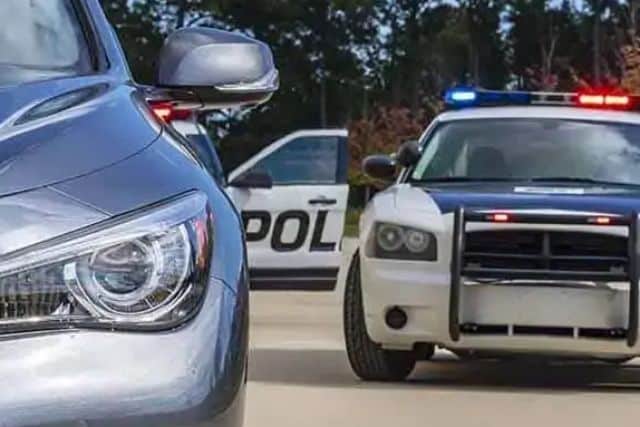
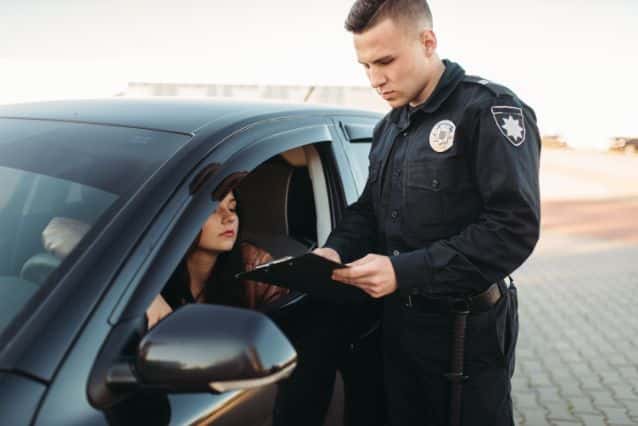
A DC officer pulls you over for a traffic violation or erratic driving. This can happen in seconds. The officer will ask for your license and registration.
They will also watch how you respond, including your speech, eyes, and movements. That first minute matters more than most people know. Under DC law, the officer must have reasonable suspicion of a traffic violation or impairment to justify the initial stop, as outlined in the District of Columbia’s traffic and DUI enforcement regulations.
The Initial Traffic Stop
A DC officer initiates the stop for a moving violation or signs of impaired driving. Your responses, appearance, and behavior are evaluated immediately. Officers need reasonable suspicion of a violation before proceeding.
Before testing, officers ask preliminary questions. Your answers may be recorded, but remain voluntary. You can decline to answer anything beyond identification without legal penalty.
Standardized Field Tests
The officer instructs you to complete the HGN, Walk-and-Turn, and One-Leg Stand tests. Performance is noted, including balance, coordination, and ability to follow instructions.
Post-Test Evaluation
After testing, the officer may conduct a roadside PBT. If the officer believes impairment is present, you may be placed under arrest and transported for further testing at a DC MPD facility.
Arrest and Processing
Once at the station, formal breath or blood tests are administered. DC DMV procedures run in parallel to the criminal case and affect your driving privileges. You typically have a short window to request a DMV hearing, so you must act promptly to protect your license.
When to Talk to a Lawyer About Field Sobriety Tests
Field sobriety test results are a central piece of evidence in DUI proceedings. Consulting an attorney promptly can help:
-
Review how tests were conducted.
-
Assess medical or environmental factors affecting performance.
-
Preserve evidence and challenge flawed results.
-
Navigate both the DC Superior Court and DMV procedures simultaneously.
At Scrofano Law PC, we provide residents with thorough case reviews and strategic advice to protect both legal rights and driving privileges. Reach out to our DC DUI defense team to get started.

202-630-0926

Contact a Dedicated Washington DC DUI Lawyer
If you or somebody you know has been charged with a DUI in DC, contact Jason Kalafat of Scrofano Law at 202-630-0949 today to start developing an effective defense.