

How to Prepare for a DUI Court Hearing: A Complete Guide


How a DUI Court Hearing Works
If arrested for DUI, you will be taken to a police station and then booked. After your booking, you will be asked to attend one or more hearings before a judge. Here is a simple guide that will help you understand how a DUI court hearing works and what to expect.
Understand What a Hearing is
If you have been caught drunk driving, you might face various penalties. From fines to public service hours, alcohol treatment, or jail time, understanding the process of your court hearing is essential. Here is what you should expect:
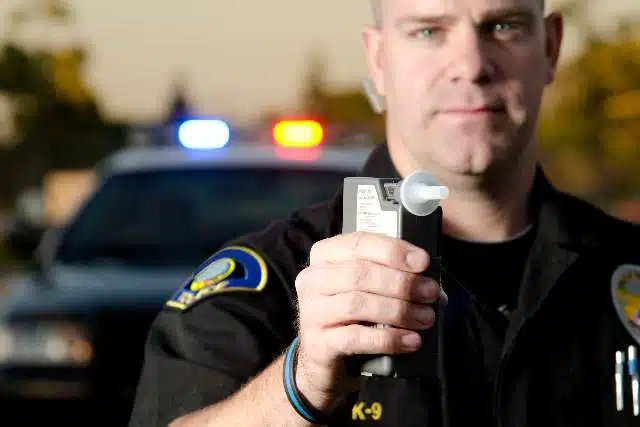
#1. Check on What Hearing You Are Attending
Unless you plead guilty, you will have to attend several DUI hearings. But each hearing will be different and can fall under the category of arraignment (an initial court appearance), preliminary hearing, or DUI trial.
Depending on your situation, these court hearings can involve being asked to state your plea, witnesses being called, or a jury being chosen.
#2. Learn What the State Must Prove
In case of arraignment, the state doesn’t have to prove anything. At a preliminary hearing, the state must prove sufficient evidence against you. If the state does not reach the burden, the case will be dismissed or could go to trial.
At a trial, the state must prove that you are ‘guilty beyond a reasonable doubt.’ That means the state and the jury must be firmly convinced of your guilt.
#3. Seek an Experienced Dui Attorney
Whether you want to plead guilty or not, you should look for a DUI lawyer in Maryland or a DUI lawyer in Virginia. Your lawyer will help you think about your options and determine the best course of action.
Our law firm works closely with our clients and ensures their freedom and futures are protected. If you or somebody you know has been charged with a DUI in DC, contact Joseph A. Scrofano of Scrofano Law at 202-630-0943 today to start developing an effective defense.
How to Prepare for a Guilty Plea: Plead Guilty or Plead Not Guilty
If the state has proven your guilt and there is nothing to gain if you fight your DUI charge, pleading guilty might be the better option. Here is how you should prepare:
#1. Discuss the Possible Punishments with Your Lawyer
Every state has different penalties for DUI or DWI crimes. If it is your first DUI conviction, the chances of getting a lighter sentence are higher. You could get your driver’s license suspended or face several days in jail.
On the other hand, if it’s not your first sentence, the judge will closely review the factors of your case. It is expected that the higher your BAC level, the higher the penalty will be.
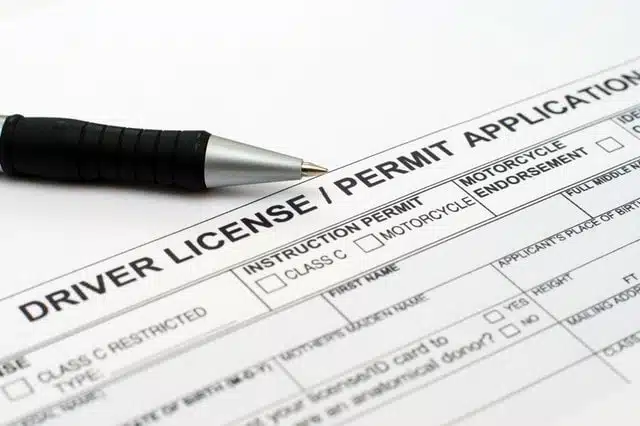
#2. Look for Drug or Alcohol Classes You Can Attend
A judge might ask you to attend alcohol or drug rehabilitation classes like Alcoholics Anonymous (AA). Agreeing to a class will show that you are likely to change your behavior.
How to Prepare to Fight Your DUI Charge
If both you and your criminal defense attorneys decide to plead not guilty to your DUI charges, there are some steps you need to follow.
#1. Meet a Bail Bondsman
Before your arraignment, you should contact a bail bond agent to post bail. Otherwise, you might end up in jail until you get enough bail.
#2. Keep and Show Evidence
Preserving evidence from the incident might help in your DUI charge. An arresting officer might record the field sobriety test and keep the proof for up to 90 days. Make copies of your documents, and ask for a video if it’s the case. Then you will test the evidence and challenge the prosecution.
#3. Ask for a Police Report
When you go to trial, request a copy of the police report, as it contains every note the police officers took during your arrest. If you can’t get a police report via email or letter, you can go to the courthouse and file a motion for receiving the report.
#4. Find Weakness in the State’s Evidence
Your criminal defense lawyer will try to seek some flaws in the state’s evidence. You can argue about the chemical tests, breathalyzer results, and many more.
What Do You Say at a DUI Hearing?
How you dress or speak might change how the judge looks at you. Courts have a dress code, and it is advised to respect it. Wear the right clothes and talk calmly. The same goes for the way you address the judge. Thank the judges for the time and call them ‘Your Honor.’
Under no circumstances should you curse or raise your voice. Do not gesticulate and choose to speak directly to the judge.
How to Prepare for Your DUI Court Case Hearing
As mentioned above, there are some things you need to consider before heading to your DUI court case hearing. Perhaps the most important of all is to hire a lawyer.
Joseph A. Scrofano of Scrofano Law firm can provide legal advice in various DUI defense matters. Having an experienced DUI attorney on your side might change the course of your trial, allowing you to return to your life.

Contact an Experienced DUI Defense Attorney for Your DUI Case
If you’re facing DUI charges, the best thing you can do is to hire an experienced DUI defense attorney. The prosecuting attorney will try to prove your guilt, but with a professional on your side, you can improve your chances of winning the case.
DUI trials can be complex, and the consequences of a conviction can last a lifetime. To avoid the worst possible outcome, get in touch with an attorney who will fight for you.
Our team at Scrofano Law has experience in handling DUI cases, and we will do everything possible to help you achieve the best possible outcome. Whether it’s your first or third offense, we encourage you to reach out to our trusted legal team. Call us at 202-630-0943 today and get a consultation!

202-630-0926

Contact a Dedicated Washington DC DUI Lawyer
If you or somebody you know has been charged with a DUI in DC, contact Jason Kalafat of Scrofano Law at 202-630-0949 today to start developing an effective defense.